Common Causes of Flail Mower Blade Wear and How to Prevent Them
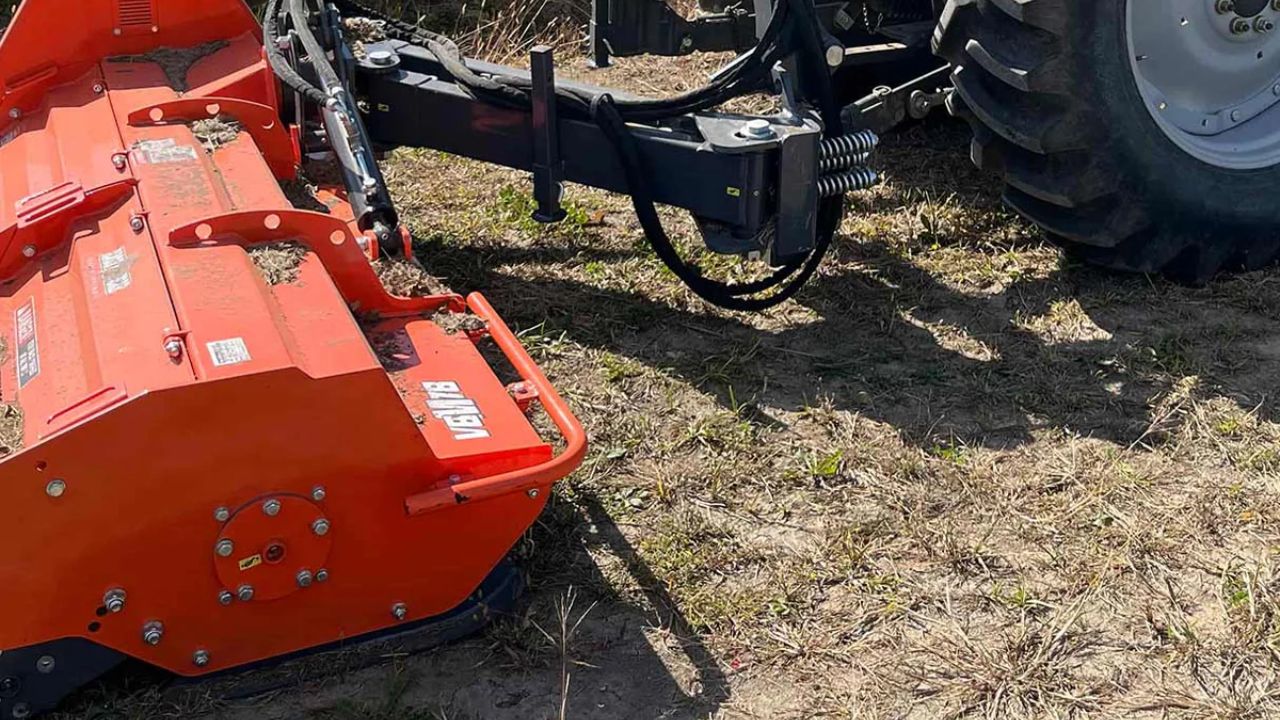
The working conditions that expose flail mower blades are extreme, and they normally wear out. These blades are subjected to high speed multiple times with vegetation, soil and debris on either side of the road or in the forestry industry. Although the wear of the blade is inevitable, the knowledge of the common causes enables the operators to minimize the wear and increase the service life of the blade. Premature wear is prevented to enhance cutting efficiency, minimize maintenance expenses, and safeguard flail mower machines. Let’s go there to learn how proper maintenance helps reduce flail mower blade wear.
Abrasive Materials and Harsh Terrain
Constant subject to abrasive substances is one of the main causes of wear of flail mower blades. Sand, soil, stones and gravel are the kinds of agents that can be ground when they are hit by rotating blades. Working in rocky areas or in loose soil increases the speed of the edge erosion and the surface damage. The knife becomes blunt with time, losing its cutting abilities. One of the prevention methods of excessive wear in such settings is the control of cutting height to eliminate redundant contact with the ground and periodic examination of blades when cutting in abrasive environments.
Cutting Dense or Woody Vegetation
The stress of flail mower blades working on dense brush, thick grass and woody material is heightened. Dense vegetation comes with an increased impact force that increases the rate of growth of metal fatigue and surface wear. Blades that are not intended to be used in applications may greatly reduce service life. The types and materials of blades used should be suitable for the workload to avoid wearing out early. Heavy hammer blades such as these are more applicable to heavy-impact cutting and are also durable in hardworking environments.
Improper Blade Selection
Another typical reason for accelerated wear is the selection of an inappropriate blade for a certain use. Light blades in high-actions settings are more prone to chipping, bending, or having an uneven shape. Equally, when light vegetation is cut with very aggressive blades, it may lead to unnecessary stress and inefficiency. The correct choice of the blade makes sure that cutting power, weight, and material toughness are the ones that are expected to be used. This straightness minimizes unnecessary wear and encourages uniform action throughout the duration of the blade’s life.
Incorrect Installation and Imbalance
Inappropriate installation may also be a major cause of wear on flail mower blades. Rotor imbalance may be caused by unbalanced spacing, improper orientation, or deteriorated mounting hardware. Lack of even distribution of blades leads to more vibration, therefore putting more strain on the blades and the mower parts. This vibration will speed up the wear and can cause cracks or breakages. To avoid this problem, it is necessary to prevent mounting elements from being installed with great care, using the right amount of torque, and ensuring that mounting elements are checked on a regular basis.
Excessive Operating Speed and Overloading
The use of undue speeds in running a flail mower or pushing it beyond its limits of operation enhances the wear of the blades. Increased rotor speeds cause larger forces of impact, which may accelerate metal fatigue and wear. Wear is also caused by overloading the mower by trying to clear unnecessarily thick vegetation in one swab. Regulation of operating speed and relevant cutting methods assistance contribute to the distribution of workloads evenly and minimizes pointless stress on blades.
Lack of Regular Maintenance
Poor maintenance is the other significant cause of blade wear. The inability to check the blades on time may enable minor damage to deteriorate with time. Slack bolts, damaged bushings and broken blades may cause further movement, which speeds up the wear. Periodic maintenance involving checkups and ensuring that worn parts are changed as necessary helps limit the amount of wear that is uneven and also prolongs the life of blades. The maintenance of the mower clean also limits the accumulation of abrasive debris that may cause more wear.
Conclusion
The wear of the flail mower blades is determined by various factors, such as conditions of operation, choice of blades used, quality of installation, and maintenance procedures. Wear cannot be completely avoided, but its prevalent causes can be identified so that effective preventative action can be taken by the operators. The blade service life can be prolonged, and improperly installed blades can be used in the correct manner, and consequently, their life may be prolonged only by means of suitable selection of the blades and responsible operation. The practices result in better cutting efficiency, lower maintenance expenses, and better long-run flail mower performance.